
From start of human social interaction cultures have developed and for many different reasons. Certain aspects of culture came about to explain the unexplained, other aspects create unwritten processes that drive or govern a society, and still others give us a guide to acceptable behavior. Cultures come about in a variety of different situations. These can be as large as a nation or as small as an organization with few employees. The manner in which these cultures grow has much to do with the individuals that make up the social group as they do with the landscape in which the society is developing.
We can easily see, when a culture develops into a healthy organic structure that allows a group to continue growing in a positive way, the bright side of this development and celebrate its being. Many times these processes can be taken for granted if everything falls into the right place, though these types of Utopian societies are few if they even exist at all. When we find our selves in a social group whether it’s within a local government or at work we can often see when the culture is failing to meet the needs of those in the group or becomes poisoned and negative causing waste and inefficiencies and creeps into other aspects of life. Often in these situations we think “How did we end up in this place?” or “Why are we allowing our selves to live/work in this mess?”
One of my favorite examples (even though it was a tough lesson to endure) is the cultures that grows in the restaurant industry. (My expertise in this area is limited to the U.S. although I feel like it may be similar around the world.) You can get a good look at both sides of the cultural development in this industry, the environment in which it grows and the individuals that make up these small societies know as the employees of a restaurant. (I don’t want to generalize the individuals that work in these establishments, be it a local diner or the downtown four star eatery, but if you’ve work in the industry you’ll know what I’m talking about!) This, in my opinion, is mostly found in full service types of restaurants where the front of the house staff has a certain level of autonomy to run their tables as they see fit and walk out at the end of a shift with cash in their pocket. There is often a given amount of flexibility in this world where if you’re short on cash you can pick up a shift to make extra money, someone always wants to go home and you can rearrange your weekly schedule in a matter of minutes by switching swifts with a few fellow co-workers. This environment can foster many negative and positive traits given the right group of folks.
One specific situation stands out in my mind where a local restaurateur opened an establishment in a developing part of downtown that has been installing many new dinning, shopping, and entertainment hot spots. I was in need of work out side of my day job and what better way to supplement my income but to jump back on that old bike I was so familiar with “Serving.” The menu was simple, the side work was easy, and it was busy enough most days to justify the cash vs time spent slinging food and drink. One of the first things I noticed was that the staff members (mostly the servers) would start out the shift sober but would end up with a good buzz before clocking out and heading to the bar, or one of many bars on the block. (Again if you have worked in the restaurant industry you know what I’m talking about, its part of the Culture!)
This didn’t bother me it was part of the job. As I started getting to know some of the staff members that had been there for a while I noticed a pattern. I kept hearing about servers who would show up drunk and not be able to finish their shift or would drink during their shift to the point of passing out. One specific individual let’s say her name was Ashley was later labeled “Smashley” after repeated shifts of either showing up smashed (intoxicated) or ending up that way before the night was over. “Smashley” would repeatedly ruin the evening of customers by dropping, throwing, or spilling food and drink. Lets not to mention the effect that this had on the bottom line which is think at best thin in a new restaurant. As the staff was replaced for obvious reasons the intensity of these events seemed to decrease but never really quite to the “Normal” level of activity one would find in the restaurant scene.
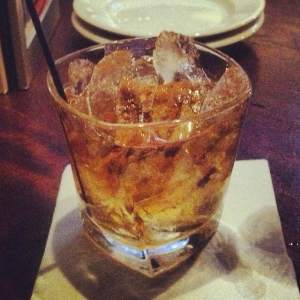
I then started to hear stories from past servers (who were coming in to get an after or during work drink at the bar) who had helped open the place. These stories stuck out as the culprit of this “Smashley” culture that was ever so noticeable if you were sober enough to see straight! I had never met the actual owner of the place which seemed odd for a relatively new establishment but it wasn’t my business to run (plus I had a day job and could walk out the door to never return if I pleased and eventually did.) The first few weeks that the restaurant was open there were many parties up and down the block everyone was having a great time, from what I heard, including the owner. The owner would bring in his friends and “Buy” them drinks and food. He would take them up stairs to the office and liquor storage areas for private parties. There were secret (obviously not too secret) meetings in the beer cooler or liquor room and from my previous decade in the industry I knew that those meetings involved mostly illegal substances. He was bringing his party to work on a regular basis and people noticed, at least enough to tell the story a year or so later.
At this point everything fell into place! If the owner came in on day one giving drinks away and doing what ever they were doing in those private parties, and I’m sure they weren’t as private as they thought they were, how could they expect the rest of the staff to stick to any of the lightly written rules of conduct while at work? Of course employees were going to come in already drunk or start drinking on the clock once there, the guy running the place had set the example from the start. Even years of staff turn over couldn’t clean up that kind of culture set in motion. They never had a chance.

There are many lessons to be learned in this type of situation but Culturally speaking there is one that stands out above the rest. Don’t bring the party to work!! Especially if you own the establishment and want to be successful as a business person!! Setting a strong example from day one is key to providing great leadership and developing a good set of rules for conduct in the work place. These examples found in the top leadership will trickle down into the organization or society and take root. This idea can be applied pretty much anywhere. Some individuals get lucky and can bring the party to work and still have some form of measured success but if you are thinking of the future of your business and the well-being of those you employ start your culture growing in the right direction by setting the example from day one! This, hard work and a list of things successful people do regularly (you can find this list on Twitter, LinkedIn, YouTube, you know) will not guarantee a winning culture but you have to start your day with a good breakfast as the man says!






 humandisorganized